


Why customer opinion is so valuable
Customer opinion is much more than just a star rating.
Behind every piece of feedback lies an experience: a moment of excitement, frustration, or surprise.
It is precisely these emotions that provide valuable insights into how products, services, and processes are truly perceived.
While internal analyses provide numbers, customer opinions explain the “why” behind them.
- Why is a product loved?
- Why does someone abandon the purchase process?
- Why does a customer recommend a brand to others?
Answers to these questions can only be found through active listening.
The traditional approaches: Proven, but reimagined
To gather customer feedback, many companies continue to rely on tried-and-true methods — but with a modern twist.
Online surveys are among the most well-known tools. Short, concise, and optimized for mobile devices, they enable quick feedback immediately after an interaction.
When used correctly, they provide structured insights into expectations, satisfaction, and areas for improvement.
Short online surveys conducted after a purchase or service interaction yield particularly honest feedback, as the experience is still fresh.
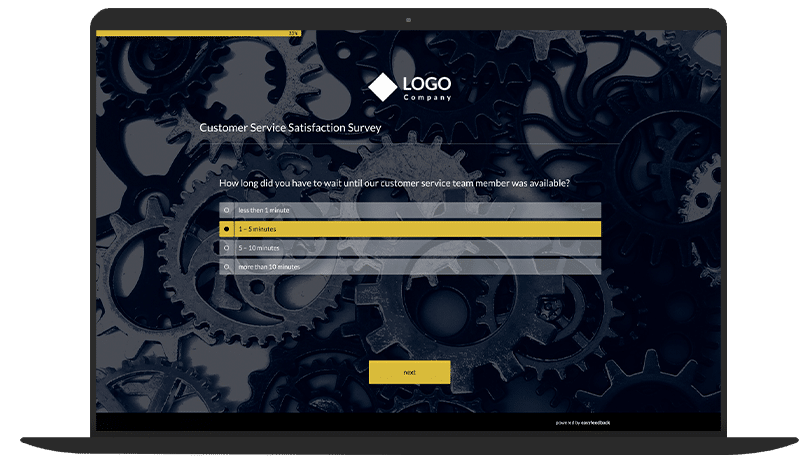
The key is striking the right balance: a few clear questions instead of long questionnaires.
Customers are more likely to participate when the effort required is minimal and their time is respected.
Face-to-face conversations also remain valuable.
Whether in-store, over the phone, or during a consultation — direct communication builds trust and often provides deeper insights than standardized questions.
Review systems on websites or platforms also give customers a spontaneous opportunity to share their opinions publicly.
For companies, this generates not only feedback but also social credibility.

Digital Opportunities: Real-Time Feedback
Digitalization has opened up new ways to capture customer feedback — often almost incidentally.
Social media now serves as an open forum for opinions. Comments, messages, or mentions provide an unfiltered view of how a brand is perceived. Companies that respond attentively can turn criticism into customer engagement
Live chats and chatbots enable feedback directly at the moment of use. Instead of receiving feedback later, companies get immediate indications of problems or requests.
Data analysis also plays a role: click behavior, session duration, or drop-off points tell a silent but honest story about customer experiences.
The biggest challenge: truly leveraging feedback.
Gathering feedback is only the first step. What happens next is crucial.
Customers quickly notice whether their opinions have any impact.
When suggestions are implemented — or at least addressed transparently — trust is built.
If feedback goes unheeded, engagement turns into disappointment.
Successful companies therefore close the loop: they listen, analyze, act, and communicate the changes back to their customers.
Conclusion: Listening as a competitive advantage
In a world full of choices, people don’t just choose products — they choose brands that take them seriously.
Customer feedback is no longer an afterthought but a central resource in modern business management.
Those who listen learn. Those who learn improve. And those who improve remain relevant.
Ultimately, customer opinions are not a mandatory task, but perhaps the most honest form of collaboration between companies and people.