


What is a target group?
A target group is a clearly defined group of potential customers who share similar characteristics, needs, or behaviors.
It forms the basis for targeted communication, marketing measures, and product development.

What is the difference between market segmentation and target group analysis?
- Market segmentation divides the overall market into different submarkets (segments) – e.g. by age, income, region, or lifestyle.
- Target group analysis goes deeper and examines a selected segment in more detail to better understand needs, motivations, and decision-making processes.
What types of target group analysis are there?
There are different types of target group analysis, depending on the focus:
- Demographic: age, gender, income, education, marital status
- Psychographic: values, attitudes, interests, lifestyle
- Geographic: place of residence, region, urbanity
- Behavioral: purchasing behavior, brand loyalty, usage behavior
- Needs-oriented: specific problems, desires, or challenges of the target group
These categories can be combined to create a realistic overall picture.
How do I create a target group?
Step 1: Understand the market and product
Step 2: Collect data (e.g., customer analyses, web tracking, social media insights)
Step 3: Segment customer groups (e.g., demographically, psychographically, behaviorally)
Step 4: Develop buyer personas
Step 5: Test hypotheses (e.g., through surveys or A/B testing)

How do I analyze demographic and psychographic characteristics?
- Demographic: age, gender, income, education, occupation, marital status, place of residence
→ Data can be collected via surveys, CRM systems, or web analytics - Psychographic: Attitudes, values, interests, lifestyle, motivation
→ Collected through qualitative interviews, social media evaluations, or target group surveys
How do I examine the search and purchasing behavior of the target group?
- Keyword research: What and how does your target group search on Google?
- Google Analytics: Which pages are visited, how long do users stay there?
- Social media insights: Which content generates interaction?
- Surveys: What influences the purchase? Price, trust, recommendations?
Goal: Understand when, where, and why people buy.
How can I use keyword research to better understand target group issues?
Keyword research shows you what questions, problems, or desires your target group has online. Pay attention to:
- Long-tail keywords: e.g., “How do I find the right CRM for small businesses?”
- Question keywords: e.g., “What to do if …?”
- Transactional keywords: e.g., “[product] buy cheap”
Tools: Google Suggest, AnswerThePublic, KeywordTool.io, Google Trends
Which questions help you understand the problems of your target audience?
- “What challenges do you face in your everyday life/job?”
- “What solutions have you tried so far?”
- “What frustrates you about current offerings?”
- “What would significantly improve your situation?”
- “What do you look for when searching for solutions online?”
These questions provide valuable insights into pain points and decision-making factors.
Why are buyer personas important?
Buyer personas are fictional but realistic profiles of your ideal customers.
They help you to align your marketing, communication, and product development in a targeted and people-centered way — with the right message, in the right channel, at the right time.

How do you conduct qualitative surveys?
- Open interviews with customers, prospects, or market participants
- Focus groups with discussions on opinions and experiences
- Observations of real user behavior (e.g., usability tests)
Important: Ask in-depth questions, listen actively, and don’t jump to conclusions.
Which psychographic characteristics are important and how do I collect them?
Important psychographic characteristics:
- Values & beliefs (e.g., sustainability, innovation)
- Lifestyle & personality (active, conservative, tech-savvy)
- Interests & hobbies
- Emotional triggers
Can be collected through: interviews, surveys, social listening, forum analysis, or behavior on your website.

How do you integrate the customer journey into target group analysis?
The customer journey describes the phases that a customer goes through:
- Awareness (recognizing the problem)
- Consideration (comparing solutions)
- Decision (selecting a provider)
Target group analysis shows where customers are and what they need in each phase.
This allows you to tailor content and messages precisely to their needs.
How can I support target group analysis tools?
Here are some helpful tools:
- Google Analytics (web behavior & target group information)
- Meta (Facebook) Audience Insights (interests, demographics)
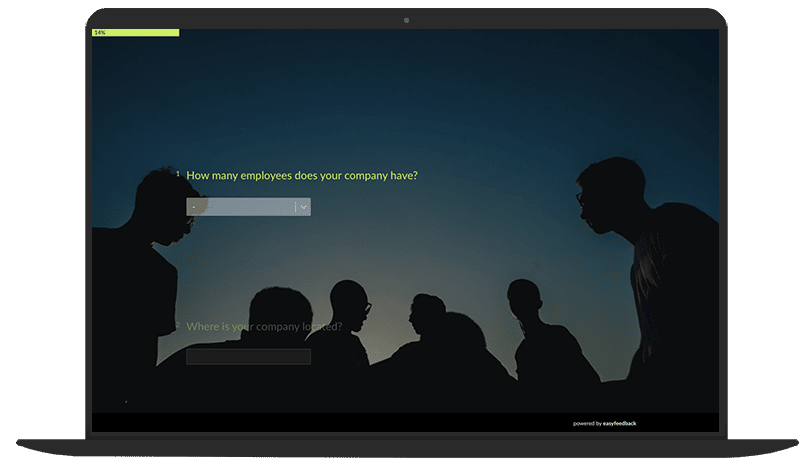
- easyfeedback (online surveys)
- SEMrush / ahrefs (keyword research for search intent)
- CRM systems such as HubSpot, Salesforce (customer data analysis)
Depending on your objectives, you can combine quantitative (numbers) and qualitative (opinions) data sources.
More about target groups
- 8 steps to your own target audience analysis
- Why you should do target audience analysis in marketing!
- 8 steps to creating a (buyer) persona
- 7 Methods for target group analysis
- Create a customer profile in 7 steps
- 7 methods for analyzing customer profiles
- Everything you need to know about a target audience!