


Step 1: Set your objectives
Before you start your analysis, you need to define what you want to find out.

Some possible questions are:
- Do you want to assess the market potential for a new product?
- Would you like to analyze the competition?
- Are you looking for trends and new business opportunities?
The clearer your goal is, the more targeted you can be in collecting relevant data.
Step 2: Research sources of information
To analyze an industry, you need reliable data.
You can use various sources for this:
- Public statistics (e.g., from chambers of commerce, trade associations, or government agencies)
- Market research reports from specialized institutes
- Industry and trade journals
- Company reports and annual reports from competitors
- Surveys and interviews with experts or customers
A mix of quantitative (figures, statistics) and qualitative (experience reports, expert opinions) data will give you a comprehensive picture of the industry.
Step 3: Analyze market size and growth
Once you have gathered initial information, you should take a close look at the market:
- How big is the market in terms of revenue and number of customers?
- How has the market developed in recent years?
- Are there opportunities for growth, or is the industry saturated?
This analysis will help you assess whether the market is worthwhile in the long term and how large your potential customer base is.
Step 4: Conduct a competitive analysis
The aim here is to find out who your main competitors are and how they operate in the market.
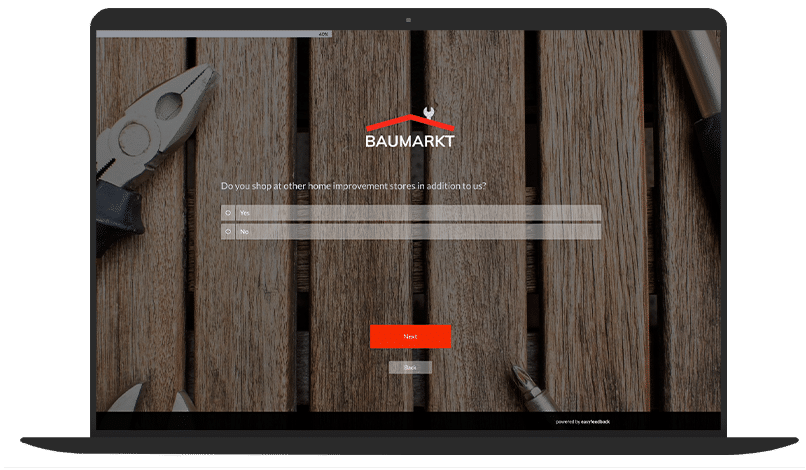
Important questions include:
- Who are the market leaders and what do they do particularly well?
- What market shares do competitors have?
- What pricing strategies and business models do they use?
A competitive analysis can help you identify opportunities to better position your company.
Step 5: Customer and target group analysis
To be successful, you need to understand your customers thoroughly.
Ask yourself the following questions:
- Who are the typical customers in this industry?
- What needs and problems do they have?
- How do they make purchasing decisions?
Surveys, focus groups, or existing market research reports can help you gain valuable insights.

Step 6: Identify influencing factors and trends
Every industry is changing as a result of technological developments, new laws, or social trends.
With the help of PESTEL analysis, you can examine the following external factors:
- Political factors (e.g., new laws, trade policy)
- Economic factors (e.g., inflation, labor market)
- Social factors (e.g., changing consumer needs)
- Technological developments (e.g., new innovations, digitalization)
- Environmental factors (e.g., sustainability trends)
- Legal framework (e.g., data protection regulations, tax regulations)
This analysis shows you the opportunities and risks your industry may face in the future.
Step 7: Summarize the results and make strategic decisions
Once you have collected and analyzed all the data, you should structure the most important findings:
- Where are the biggest opportunities and risks?
- How can you stand out from the competition?
- Which trends should you leverage for your business?
A SWOT analysis (strengths, weaknesses, opportunities, threats) will help you translate all your findings into a concrete strategy.
Conclusion: Industry analysis as a success factor
Industry analysis is an indispensable tool for developing a sound business strategy.
It helps you to better understand the market, minimize risks, and identify competitive advantages.
Whether you want to start a new business or optimize your existing one, a well-thought-out analysis will give you clarity and a solid basis for decision-making.
Those who know the market can act in a targeted manner and be successful in the long term.
So, start your industry analysis today and lay the foundation for your success!