


Tip 1: Strategy Before Technology
Many event organizers start by asking: Which platform should we use?
A better approach is: What does the event aim to achieve?
First, define:
- Target audience(s)
- Goals (lead generation, branding, training, community building, etc.)
- Desired interaction
- KPIs for measuring success
Only then should you select the appropriate tools and technology.
Key point: Technology supports the strategy — not the other way around.
Tip 2: Hybrid means thinking on two levels
Hybrid events always involve two distinct experiences:
- In-person participants
- Remote participants
Both deserve equal attention.

Common Mistakes
- The camera only films the room without a moderator
- Online participants are merely spectators
- Networking is only possible in person
Better
- A dedicated online moderator
- Separate chat or Q&A support
- Digital networking opportunities
- Exclusive online interactions
Plan the event as if it were two formats with a shared narrative structure.
Tip 3: Professional technology is a must, not an extra
For hybrid events, technical quality directly determines how the event is perceived.
Minimum standards
- Multiple cameras
- Good audio capture (lapel mics/headsets, no room mics!)
- Stable internet connection (backup connection)
- Streaming platform with interactive features
- Technical rehearsal in advance
Poor audio or choppy streams quickly cause online participants to drop out.
Investing in technology pays off through higher satisfaction and longer engagement times.
Tip 4: Incorporate targeted interaction
Online audiences tend to become passive more quickly. Therefore, plan for active participation every 10–15 minutes.
Best practices
- Live polls
- Q&A sessions
- Chat questions
- Breakout rooms
- Digital whiteboards
- Gamification (quizzes, points, challenges)
Important: Interactions must work for both groups simultaneously.
Example:
Ask a question via the app → Display the results on stage and in the live stream.
Tip 5: Rethink moderation
Hybrid events require more than just a traditional on-stage host.
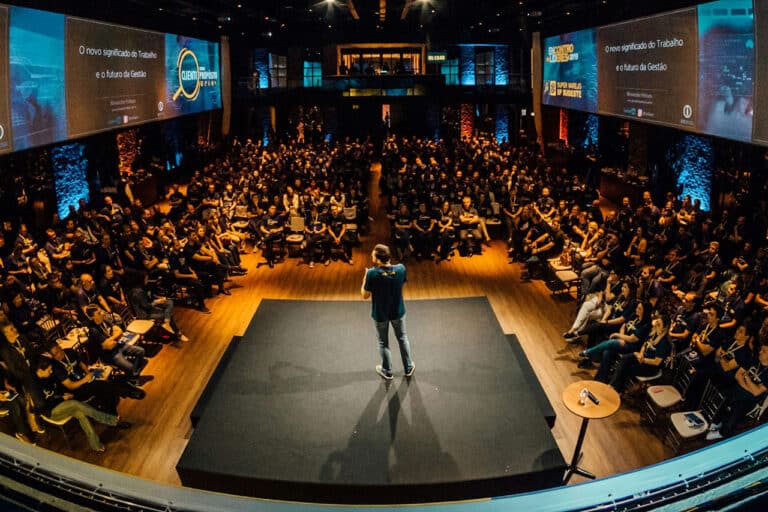
Role Model
- On-stage Host (on-site)
- Online Host (chat, Q&A, keeping the energy up)
- Technical/Streaming Operator
- Community/Networking Manager
The online host is particularly important: they give the digital audience a voice.
Tip 6: Enable digital networking
Networking is often the main reason for in-person events.
Digital guests should not be excluded from this.
Solutions
- Matchmaking tools
- 1-on-1 video meetings
- Virtual lounges
- Themed breakout rooms
- Speed-dating sessions
Tip: Schedule specific networking times instead of leaving it “open throughout the event.”
Tip 7: Tailor content to the format
Not every program item is suitable for a hybrid format as-is.
Well-suited
- Keynotes
- Panels
- Interviews
- Workshops using digital tools
More challenging
- Long lectures
- Purely physical activities
Recommendation:
- Shorter sessions (20–30 minutes)
- More visual elements
- Clear storyline
- Regular engagement
Tip 8: Leverage Sustainability & On-Demand Content
A major advantage of hybrid events is the ability to repurpose content.
Options
- Recordings as a media library
- Highlight clips
- Social media snippets
- Follow-up webinars
This allows you to extend your reach and significantly increase your ROI.
Tip 9: Analyze data and feedback systematically
Hybrid events provide valuable insights:
- Attendance rates
- Interaction rates
- Clicks
- Chat activity
- Time spent on the event
Combine this data with surveys to optimize your next event in a targeted way.

Tip 10: Conduct a dress rehearsal
Often underestimated, but crucial: a full dry run.
Test the following:
- Technical setup
- Transitions
- Hosting
- Pre-recorded segments
- Interaction tools
- Internet backup
This reduces stress and prevents glitches on the day of the event.
Conclusion
Hybrid events are not a compromise, but a major opportunity: greater reach, increased flexibility, and sustainable content.
The key to success lies in:
- a clear strategy
- equal treatment of both target groups
- professional technology
- active interaction
- effective moderation
Those who consciously design hybrid events rather than simply “streaming along” create genuine experiences — for all participants.
More on the topic of event and seminar surveys
- How to plan your next seminar with a survey
- The ideal structure of a seminar evaluation with a feedback sheet
- 10 ways to get feedback on your seminar
- 5 tips for evaluating your seminar feedback
- When is the best time to gather feedback on an event or seminar?
- Measuring Event Success: KPIs for trade shows, seminars, workshops, and digital events
- 5 creative ways to enhance the attendee experience at events