
Test marketing effectiveness in advance — cost-effectively through customer feedback

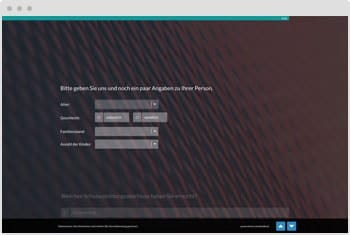
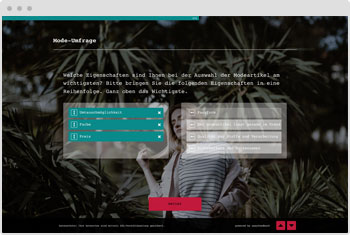
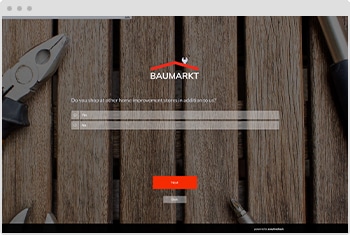
Test marketing campaigns with surveys

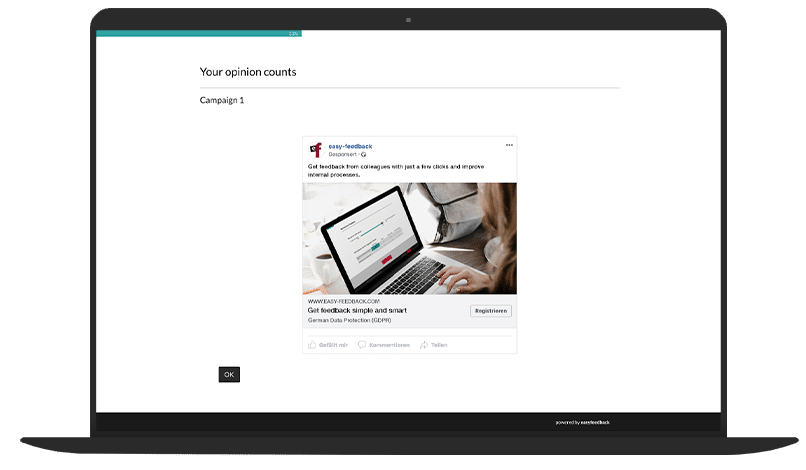
This survey template provides valuable insights through direct customer feedback, helping you identify which marketing campaigns are most likely to succeed and truly justify your budget. This allows you to invest strategically in the initiatives that offer the best ROI and avoid unnecessary expenses.

Immobilienscout 24 ist begeisterter easyfeedback Nutzer

“Identifying user needs is at the heart of our business. easyfeedback has been helping us with this task for several years now. We particularly appreciate its intuitive usability and professional support.”

Franziska Becker
Guild Lead User Experience Research
TUI ist begeisterter easyfeedback Nutzer

“We use easyfeedback for internal and external surveys—it’s fast, convenient, and easy! The uncomplicated and friendly support puts a smile on our faces, and we are delighted with the continuous development of the platform.”

Jennifer Fischer
Guest & Competitor Insights Analyst

Why test marketing campaigns in advance?

Pre-testing marketing campaigns is crucial for identifying their impact and chances of success early on. A test run provides valuable insights into how the target audience reacts to the message, the design, and the channels used.

This information helps tailor the campaign optimally to customer needs and make adjustments as necessary. Inefficient elements can be identified and improved in a timely manner before high costs are incurred.

Targeted testing not only increases the campaign’s chances of success but also ensures a more effective use of resources. This way, the budget is allocated where it truly makes an impact.

Instead of distributing the budget blindly, test your advertising measures on a selected target audience. Your customers know best what convinces them—ask them and use their feedback.

By conducting a market research survey among your most loyal customers, you can allocate your budget strategically and simplify campaign management.

This proven method, used by leading companies worldwide, can easily be adapted for your marketing efforts.

Contents of the template:

  • Test and compare campaigns in advance
  • Reach and survey target audiences
  • Compare responses
  • Involve existing customers in the communication process
  • Solicit direct feedback

Objectives of the survey:

  • Budget Efficiency and Effectiveness
  • Effective Customer Engagement
  • Predictable Online Communication
  • Conducting Impact Analyses
  • Successful Campaign Management

Helpful features for the survey:

  • Survey options: Anonymous, partially anonymous, personalized
  • Invitation options: Link, email, QR code, and more
  • Multilingual support, including automatic translation
  • AI analysis of results, including recommendations for action
DSGVO-konforme Online-Umfragen

Data protection „made in Germany“ (GDPR)

Anonyme Teilnahme an Umfragen

Anonymity function for honest feedback

Frequently asked questions about marketing campaigns

A marketing campaign is a targeted and planned series of marketing activities designed to achieve a specific objective, such as increasing brand awareness, launching a new product, or increasing sales.

Such a campaign uses different communication channels and tools to reach a specific target audience and encourage it to take a desired action.

Characteristic 1: Goal Orientation

Every campaign pursues specific objectives, such as increasing awareness, generating leads, or increasing sales.


Characteristic 2: Planned Activities

A campaign includes a series of planned activities that are coordinated with one another.

These may include advertisements, social media posts, events, influencer collaborations, email marketing, or special promotions.


Characteristic 3: Target Audience Engagement

The campaign is aimed at a specific target audience defined by demographic, geographic, or behavioral characteristics.


Characteristic 4: Defined Timeframe

Marketing campaigns are often designed for a specific period, whether a week, a month, or longer.

They may be seasonal or tied to a specific event.


Characteristic 5: Channels and Media

A marketing campaign uses different channels, such as traditional media—TV, radio, and print—and digital media, including social media, search engine marketing, and email.

The choice of channels depends on the target audience and the company’s resources.


Characteristic 6: Measurability

A campaign’s success is measured through defined metrics, such as sales figures, website traffic, social media engagement, or the number of leads generated.

A marketing campaign offers numerous benefits that can help companies increase brand awareness, acquire new customers, and achieve long-term growth.

Here are the key benefits of a marketing campaign:

Benefit 1: Increased Brand Awareness

  • Greater visibility: Targeted campaigns across different channels allow the brand to reach a broader audience and become better known.
  • Strengthened brand image: A well-designed campaign can positively influence the brand’s image and establish it as trustworthy and professional.


Benefit 2: Targeted Audience Engagement

  • Efficient customer engagement: Marketing campaigns make it possible to target the audience most likely to be interested in the products or services.
  • Personalization: Personalizing messages can build a deeper connection with the target audience, resulting in a higher conversion rate.


Benefit 3: Increased Revenue and Sales

  • Promote sales: Well-planned campaigns with clear calls to action can motivate potential customers to buy and thereby increase revenue.
  • Cross-selling and upselling potential: Campaigns can also promote complementary or higher-value products, leading to additional sales.


Benefit 4: Greater Customer Retention and Loyalty

  • Emotional connection: A successful campaign can create an emotional connection with the brand and strengthen the loyalty of existing customers.
  • Repeat purchases and customer retention: Targeted campaigns for existing customers, such as loyalty promotions or exclusive offers, encourage repeat purchases and strengthen the customer relationship.


Benefit 5: Capture Valuable Data and Insights

  • Customer data and behavior patterns: A campaign provides important information about customer behavior, preferences, and interests.
  • Optimize future campaigns: The data obtained and customer feedback help improve future campaigns in a targeted way and make them more effective.


Benefit 6: Measurability

  • Viral effects: A creative campaign can spread quickly through social media and word of mouth, increasing reach exponentially.
  • Multiplier effects: When customers share the campaign, for example through social media or recommendations, it acts as free advertising for the company.


Benefit 7: Market Positioning and Differentiation

  • Stand out from competitors: A unique, well-designed campaign can clearly differentiate a company from competitors.
  • Strengthen market position: Consistent marketing campaigns can help the company expand its market share and establish itself as a leading provider in the industry.


Benefit 8: Measurable Results and ROI

  • Directly measurable success: By defining clear KPIs and using analytics tools, campaign success can be measured directly.
  • Higher ROI: Effective campaigns often achieve a higher return on investment because they generate new revenue in a targeted way and strengthen existing customer relationships.


Benefit 9: Foster Innovation and Creativity

  • New ideas and approaches: Campaigns provide an opportunity to test new creative ideas and strengthen the company’s capacity for innovation.
  • Communicate brand values: A campaign provides space to present the brand’s values and mission in an inspiring, creative way.

The objectives of a marketing campaign can vary depending on the type of company, the target audience, and specific requirements. However, they can be divided into several key categories.

Here are the main objectives:

Objective 1: Increase Awareness (Brand Awareness)

  • Objective: Make the brand or product better known.
  • Activities: Advertising campaigns, social media, influencer marketing.
  • Success criteria: Increased brand recognition, reach, and number of interactions.


Objective 2: Increase Revenue

  • Objective: Directly generate higher sales.
  • Activities: Special promotions, discounts, special offers, cross-selling, and upselling.
  • Success criteria: Increased revenue and number of completed sales.


Objective 3: Brand Retention and Loyalty

  • Objective: Retain customers over the long term and strengthen loyalty to the brand.
  • Activities: Loyalty programs, personalized offers, and excellent customer service.
  • Success criteria: Repeat purchases, customer retention, and Net Promoter Score (NPS).


Objective 4: Brand Image and Positioning

  • Objective: Build or change a positive image for the brand or company.
  • Activities: Content marketing, public relations, and social media interaction.
  • Success criteria: Brand perception and perception among target audiences.


Objective 5: Lead Generation

  • Objective: Gain new prospects and potential customers.
  • Activities: Email marketing, free trials, webinars, and events.
  • Success criteria: Number of leads generated and conversion rate.


Objective 6: Customer Feedback and Market Research

  • Objective: Develop a better understanding of the target audience and its needs.
  • Activities: Surveys, customer reviews, and social listening.
  • Success criteria: Qualitative and quantitative data on customer preferences and expectations.


Objective 7: Launch a New Product or Service

  • Objective: Promote and raise awareness of a new product or service.
  • Activities: Launch events, influencer marketing, product demos, and advertising.
  • Success criteria: Sales figures for the new product, media coverage, and customer feedback.


Objective 8: Increase Customer Interaction

  • Objective: Encourage interaction with the brand and its channels.
  • Activities: Social media engagement, contests, surveys, and user-generated content.
  • Success criteria: Engagement rate, participation in campaigns, and social media mentions.


Objective 9: Increase Market Share

  • Objective: Expand market share in relation to competitors.
  • Activities: Competitive analysis, aggressive pricing strategies, and advertising campaigns.
  • Success criteria: Market share analysis and growth compared with competitors.


Objective 10: Cost Efficiency

  • Objective: Use marketing budgets efficiently and achieve maximum results at minimum cost.
  • Activities: Targeted advertising, targeted audience engagement, and cost-effective marketing channels.
  • Success criteria: Return on investment (ROI) and cost per acquisition (CPA).

A successful marketing campaign requires thoughtful planning and execution.

Here are the key steps for a marketing campaign:

Step 1: Set Objectives

  • Define SMART objectives: Determine what the campaign should achieve, such as increasing brand awareness, increasing sales, or generating leads.
  • Measurable KPIs: Define specific metrics, such as the number of leads, sales figures, or reach.


Step 2: Target Audience Analysis

  • Define target audiences: Determine the demographic and psychographic characteristics of the target audience.
  • Needs and pain points: Understand the target audience’s needs and how the product or service provides solutions.


Step 3: Set the Budget

  • Total budget and channel allocation: Set a budget framework and determine how much is available for different channels and activities.
  • Cost planning: Estimate costs for advertising materials, media spend, creative content, and other expenses.


Step 4: Select Channels and Media

  • Multichannel strategy: Determine which channels are most suitable, such as social media, email, TV, or print.
  • Targeted use: Select channels where the target audience is active, such as Instagram for younger audiences or LinkedIn for B2B campaigns.


Step 5: Create Campaign Messaging and Content

  • Key message: A clear, memorable core message that resonates with the target audience.
  • Creative content: Develop copy, images, videos, or graphics that suit the message and target audience.
  • Call to action (CTA): Clear prompts that encourage the desired behavior.


Step 6: Create a Campaign Plan

  • Timeline and milestones: Create a detailed timeline showing when and where the campaign will run and when updates or analyses will take place.
  • Publishing strategy: Determine when content will be published and how often the target audience will be approached.


Step 7: Implement the Campaign

  • Publish content and run advertisements: Publish the prepared content on selected channels and launch ads where appropriate.
  • Coordination and adjustment: Ensure all elements run smoothly and make short-term adjustments as needed.


Step 8: Monitor and Analyze

  • Performance tracking: Monitor the campaign using the defined KPIs, such as website traffic, engagement rate, or conversion rate.
  • Real-time adjustments: Make adjustments where necessary if a channel or message is not performing as expected.


Step 9: Evaluate and Optimize

  • Analyze results: Assess the campaign’s success against objectives and KPIs.
  • Document learnings: Record what worked well and what can be improved to inform future campaigns.


Step 10: Follow-Up and Ongoing Engagement

  • Follow-up actions: Re-engage customers or prospects after the campaign, for example through personalized emails or offers.
  • Maintain engagement: Plan activities to continue reaching and retaining the target audience after the campaign.

To measure the success of a marketing campaign, clear, measurable metrics (KPIs) and a systematic evaluation of results are essential.

Metrics can vary depending on the campaign objective. Here are the key steps and KPIs for measuring success:

Step 1: Define Objectives and KPIs in Advance


Step 2: Campaign Metrics and KPIs

Depending on the campaign objective, specific metrics can be used to measure success:

A. Brand Awareness

  • Reach: Number of people reached through social media, websites, or other channels.
  • Impressions: Number of views or exposures—how often content was seen.
  • Brand mentions: Monitor social media for mentions and hashtags.


B. Engagement and Interactions

  • Engagement rate: Likes, comments, shares, and reactions to posts that indicate target audience interest and interaction.
  • Click-through rate (CTR): Percentage of clicks relative to impressions.
  • Bounce rate: Percentage of visitors who leave the website again after a short time.


C. Lead Generation

  • Conversion rate: Percentage of website visitors who complete a specific action, such as a purchase or registration.
  • Cost per lead (CPL): Cost of acquiring a new lead.
  • Form completions or downloads: Number of completed form entries, downloads, or registrations.


D. Sales and Revenue Growth

  • Return on investment (ROI): Ratio of profit to campaign expenditure.
  • Revenue growth: Increase in sales figures or revenue during and after the campaign.
  • Cost per acquisition (CPA): Cost per acquired customer or sale.


E. Customer Retention and Loyalty

  • Repeat purchase rate: Percentage of customers who purchase again after the campaign.
  • Customer satisfaction: Measure through ratings, reviews, or surveys, such as the Net Promoter Score (NPS).
  • Lifetime value (LTV): The total value a customer brings to the company over time.


Step 3: Data Analysis and Tools

  • Use analytics tools such as Google Analytics, social media insights, CRM systems, or specialized marketing software to collect data.
  • A/B tests and heatmaps help identify which content and channels perform best.


Step 4: Real-Time Monitoring and Adaptation

  • Monitor the campaign in real time and make adjustments as needed to address campaign weaknesses immediately.


Step 5: Reporting and Success Evaluation

  • After the campaign ends, create a performance report documenting the KPIs and results achieved.
  • Compare results with the defined objectives to determine how successful the campaign was and which activities were especially effective.


Step 6: Insights for Future Campaigns

  • Document learnings and best practices for planning future campaigns in order to improve continuously based on the data collected.

Here are some examples of successful marketing campaigns from different industries that demonstrate a range of creative approaches:

Example 1: Nike – “Just Do It” (1988)

  • Idea: Nike’s famous “Just Do It” slogan motivated people to pursue their sporting goals, no matter how big or small.
  • Strategy: The campaign used inspiring stories and athletes to appeal emotionally to a broad audience.
  • Success: The slogan became world-famous and helped Nike evolve from a niche provider for runners into one of the world’s largest sports brands.


Example 2: Apple – “Get a Mac” (2006–2009)

  • Idea: The “Get a Mac” campaign portrayed Mac and PC as characters to present Macs as more user-friendly and stylish.
  • Strategy: Humorous comparisons between Mac and PC communicated Apple’s advantages in an entertaining way.
  • Success: The campaign received numerous awards and helped position Apple as a lifestyle and technology brand, leading to a significant increase in sales.


Example 3: ALS Association – “Ice Bucket Challenge” (2014)

  • Idea: The challenge asked people to pour a bucket of ice water over their heads or donate to ALS, with participants nominating additional people.
  • Strategy: The campaign spread quickly through viral videos and celebrity participants.
  • Success: More than $220 million was raised worldwide for ALS research. The campaign demonstrated the power of viral challenges and made optimal use of social media.


Example 4: Dove – “Real Beauty” (2004)

  • Idea: The campaign advocated for realistic beauty standards and featured women of different ages and body types.
  • Strategy: Dove featured “real” women rather than models in its ads to challenge unrealistic beauty ideals.
  • Success: The campaign was positively received worldwide, increased brand loyalty, and won numerous advertising awards.


Example 5: Red Bull – “Stratos” (2012)

  • Idea: Red Bull sponsored extreme athlete Felix Baumgartner’s jump from the stratosphere, considered the highest parachute jump in history.
  • Strategy: The event was live-streamed and broadcast worldwide, generating incredible media attention.
  • Success: The campaign brought Red Bull worldwide recognition and strengthened the brand’s image as an enabler of extreme challenges.


Example 6: Old Spice – “The Man Your Man Could Smell Like” (2010)

  • Idea: The commercials used a charming, humorous approach aimed at women who shop for men.
  • Strategy: The campaign used viral videos and charming humor to attract a new audience.
  • Success: Sales rose significantly, and the campaign received many awards, repositioning Old Spice in the market.

More market research survey templates​

Survey Template Target Audience Analysis

Target Group Analysis

Survey template details

Survey Template: Product and Market Research

Market & Product Research

Survey template details

Stakeholder analysis questionnaire template

Stakeholder Analysis

Survey template details

Survey Template Measure Brand Awareness

Brand Awareness

Survey template details

Survey template Competitive analysis

Competitor Analysis

Survey template details

Explore all survey templates  

You are in professional company

Immoscout 24 Logo
Tui Logo
Porsche Logo
Lufthansa Logo
Jaegermeister Logo

Over 740,000 participants in easyfeedback surveys every month

Result

STUDIO

The performance add-on for your analysis

easyfeedback Result Studio 2